Where Computation Happens Now Matters
Cloud computing changed how enterprises think about infrastructure. Edge computing is changing where computation actually happens — and for a growing category of applications, the difference is critical.
Why Latency Is the Deciding Factor
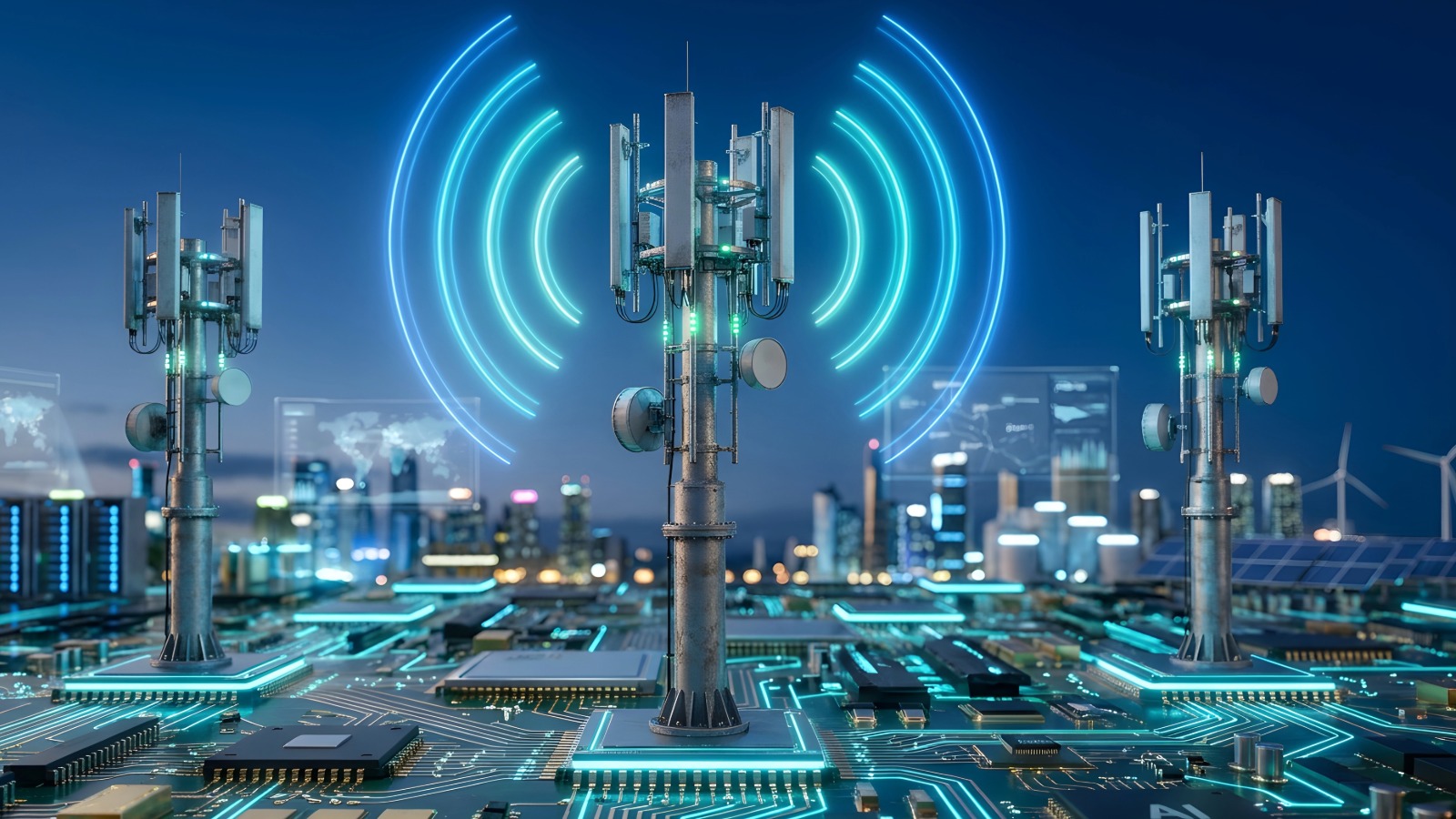
The fundamental premise of edge computing is that processing data at or near its point of generation — rather than sending it to a central cloud for analysis — produces outcomes that latency-sensitive applications require. For a smart camera on a factory production line that needs to reject a defective component in milliseconds, waiting for a round trip to a cloud data centre is not an option.
Three Converging Forces
IDC's 2025 forecast projects the global edge computing market at $232 billion by 2026, growing at 22% annually.
- The proliferation of IoT devices generating data that is expensive to transmit in full
- The maturation of AI models small enough to run on edge hardware
- The expansion of 5G connectivity enabling real-time coordination between edge nodes
Retail and Manufacturing Lead the Way
In India, edge computing deployments are most advanced in retail and manufacturing. Reliance Retail's store network uses edge-based computer vision for automated inventory detection. Maruti Suzuki's Manesar plant uses edge AI for real-time weld quality inspection on the production line.
Key Takeaway
For enterprises with operations in environments where latency matters, edge computing is not an emerging option. It is an operational necessity.